
Toilet Tank Fill Valve Repair in Waukegan, IL: Homeowner Guide
A toilet that hisses, refills slowly or runs on its own usually has a bad fill valve. The part is small and cheap, and most homeowners can swap it in under an hour.
This guide explains the signs, the steps and the limits. If the toilet is leaking at the base or will not flush, see toilet repair instead.
What the fill valve does
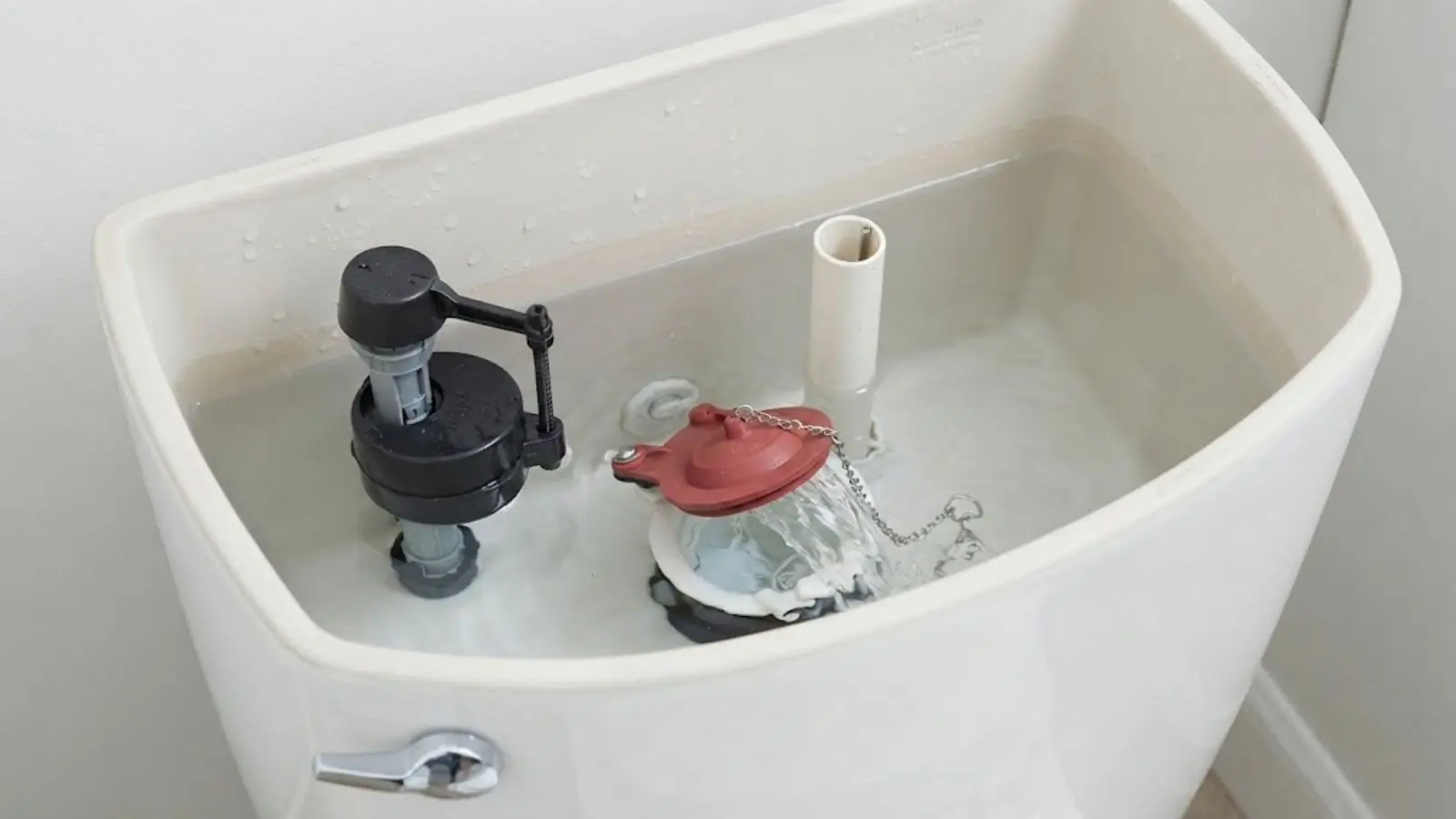
The fill valve sits on the left side of the tank and refills it after each flush. A float rises with the water and tells the valve when to shut off.
When the valve wears out, the water may not stop, the tank may refill slowly or the toilet may whistle. The failure is gradual, and a running toilet wastes water around the clock.
Signs the fill valve is the problem
- A hissing sound after the flush that does not stop.
- Water running into the overflow tube.
- A tank that fills slowly or only partway.
- A toilet that refills every few minutes on its own.
If the water level is above the overflow tube, the fill valve is not shutting off. If the level is low, the float may be set wrong.
Close the shutoff valve and call.
Replacing the valve, step by step
- Close the shutoff valve at the wall and flush to empty the tank.
- Disconnect the supply line and unscrew the nut under the tank.
- Lift out the old valve and set the new one at the right height.
- Reconnect the supply line, open the water and adjust the float.
Check for leaks at the supply connection after the tank fills. A snug hand tightening plus a quarter turn is enough.
Flappers, chains and overflow tubes
Not every running toilet needs a new fill valve. A worn flapper lets water leak into the bowl, and a tangled chain can hold the flapper open.
A drop of food coloring in the tank helps. If color appears in the bowl without a flush, the flapper is leaking.
When to call a plumber
Call if the shutoff valve will not close, if the supply line is corroded or if water appears around the base. These problems need more than a fill valve.
We also check the supply line, replace stubborn valves and look for hidden leaks if the toilet is part of a bigger issue with plumbing installation work.
Choosing a replacement fill valve
Universal fill valves fit most toilets and adjust in height. They come in a few styles, including float cup and diaphragm types, and either can work.
Look for a valve with a clip-on refill tube and an adjustment screw. Buy one that matches your tank height, and keep the old one to compare at the store.
Setting the water level correctly
The water level should sit about an inch below the top of the overflow tube, or at the mark inside the tank. A level that is too high wastes water, and one that is too low weakens the flush.
Adjust the float with the screw or the clip on the valve, then flush and watch the refill. Fine tuning takes a few minutes, and the fix lasts for years.
Supply line and shutoff valve checks
While the tank is empty, look at the supply line and the shutoff valve. A braided line with rust at the nut or a valve that weeps should be replaced now.
We carry new lines and quarter-turn valves on the truck, so a short visit can fix all three parts at once. A toilet with a new valve and a new line is a toilet you can forget about.
Spotting a hidden toilet leak
Drop a few drops of food coloring in the tank and wait fifteen minutes without flushing. Color in the bowl means the flapper leaks.
A silent leak can waste a lot of water. It is worth the test, especially if your water bill has crept up.
When the problem is not the fill valve
A toilet that runs after the tank is full may have a flapper that leaks, a chain that is too short or an overflow tube that is cracked. A toilet that will not flush well may have clogged rim jets.
Check each of those before you buy parts. If you are not sure, a short visit from a plumber solves the mystery and often replaces several worn parts at once.
Water-saving habits that help the valve last
Avoid dropping in-tank cleaning tablets, because they can damage rubber parts. Do not hold the handle down, which can wear the flapper chain.
Replace worn parts before they fail. A quick look inside the tank every year takes a minute and can prevent a leak.
Using Waukegan water as a reference
The City of Waukegan operates its own water treatment plant on Lake Michigan and publishes Consumer Confidence Reports on its website. We did not find a hardness figure we could cite from a primary source, so we recommend testing your own tap if you suspect scale on fill valve parts.
Mineral buildup can stick a float or clog a valve. If your parts wear out faster than they should, check the report or test your water. Our crews also serve Zion and Beach Park, where water comes from different suppliers. Standards we follow: fixture work follows the Illinois Plumbing Code (77 Ill. Adm. Code 890).
Fill valve questions
Many last several years. Mineral scale and chlorine speed wear, and a hissing or slow fill is the usual sign.
A toilet that runs continuously can waste a large amount of water over a month and raise your bill. The repair is inexpensive.
A pair of pliers and a bucket are usually enough. A small adjustable wrench helps with the supply nut.
Yes, if the flapper is worn. Replacing both is cheap and prevents a second visit.